
Why the Same Dress Looks Different on Every Person Today
Have you ever seen the same dress on two people and wondered why it looks completely different? The dress has not changed. The fabric, colour, pattern, and design may be identical. Yet somehow, the overall appearance can feel entirely different. This happens with both men’s and women’s dresses, because a dress does not exist separately from the body wearing it.
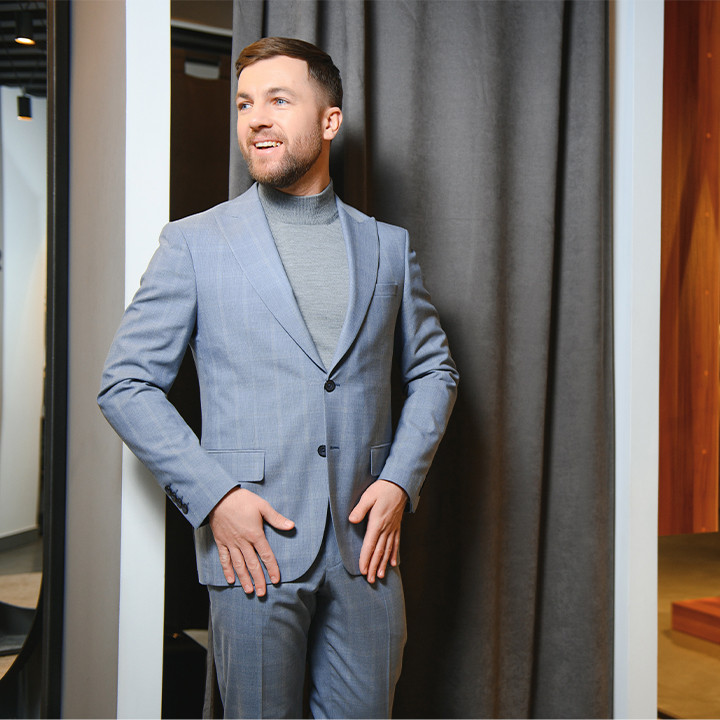
The first reason is fit. A dress designed for men or women can create very different impressions depending on how it fits the shoulders, chest, waist, hips, and length of the body. A well-fitted dress can create a clean and balanced silhouette, while the same design in a different size or fit can appear loose, structured, relaxed, or even completely different.
Body proportions also matter. Two people can have the same height but very different proportions between their torso and legs. A particular dress may appear longer on one person and shorter on another. The waistline may sit differently. The sleeves may reach different points on the arms. Even the position of a pattern can change depending on where it falls across the body.
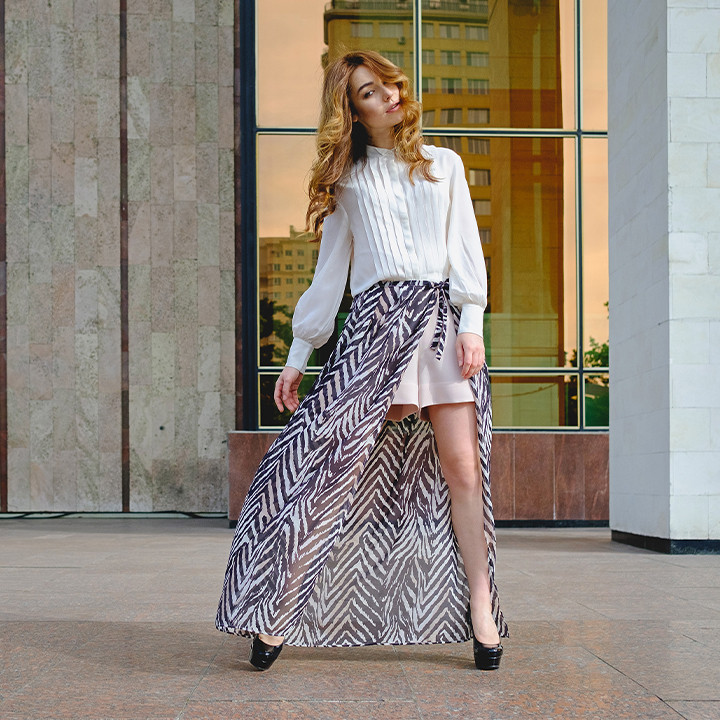
Fabric creates another difference. A flowing women's maxi dress can move softly on one person and appear more structured on another because of how the fabric interacts with the body. Similarly, a men's shirt dress made from a lightweight material can create a relaxed silhouette, while a heavier fabric can give the same design a sharper and more substantial appearance.
Colour also behaves differently depending on the wearer. The same black, blue, white, red, or green dress can create different visual impressions when combined with different skin tones, hair colours, and overall styling. Colour does not exist in isolation. It becomes part of the complete appearance of the person wearing the dress.
Then there is the design itself. Necklines, collars, sleeves, pleats, buttons, belts, seams, pockets, and patterns can change how a dress visually divides the body. A vertical pattern may create a longer appearance, while horizontal elements can make certain areas look wider. A fitted waist can create definition, while a straight silhouette can produce a more relaxed look.
Men's and women's dresses also carry different possibilities because designers often approach their silhouettes differently. Women's dresses may range from body-conscious dresses and A-line styles to maxi, midi, wrap, and evening dresses. Men's dresses can include tunic-inspired designs, shirt dresses, longline silhouettes, and traditional or contemporary dress forms. Within every category, small design differences can produce major visual changes. But there is another factor that is harder to measure: how the dress is worn.
Posture changes the silhouette. Movement changes how fabric falls. The way someone stands, walks, or carries themselves can make a dress appear sharper, softer, more relaxed, or more dramatic.That is why copying a dress from someone else does not guarantee the same result.
A dress is only one part of the equation. Fit, proportion, fabric, colour, construction, and the person wearing it all interact.The same dress can therefore create completely different appearances without either version being wrong.The dress stays the same.The wearer changes everything.