Why Dresses Never Really Go Out of Style for Men and Women
Fashion changes constantly. Colours disappear and return. Silhouettes become popular, vanish, and eventually come back with a new name. Yet dresses never completely disappear. For both men and women, dresses continue to survive changing fashion cycles because their basic purpose remains remarkably useful: they combine design, comfort, movement, and identity in a single garment.
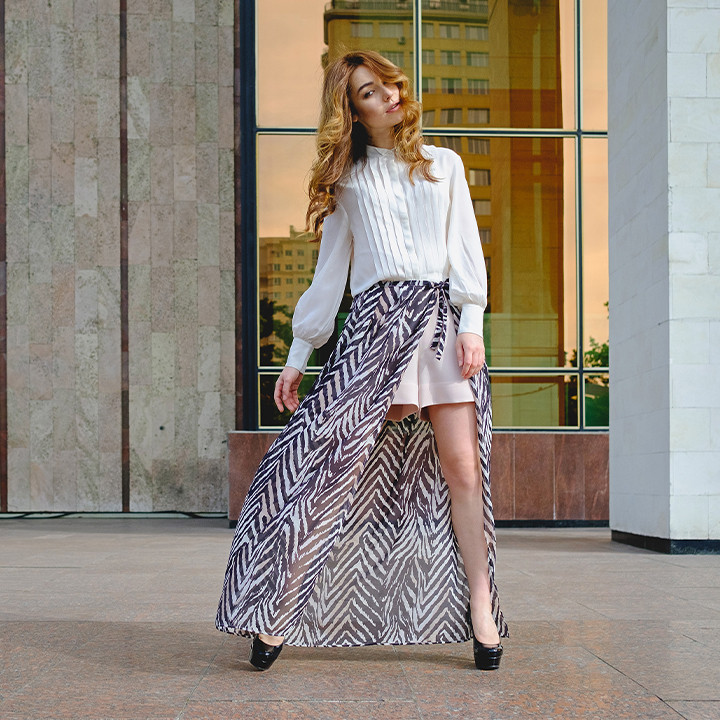
Women's dresses have demonstrated this longevity particularly well. The silhouettes may change, but the fundamental idea remains. The flowing maxi dress, fitted dress, shirt dress, wrap dress, midi dress, and little black dress can all exist in the same fashion world. One may become more popular for a particular season, but another never truly disappears.
A simple dress can become casual with a lightweight fabric and relaxed fit. The same basic idea can become formal through structured tailoring, richer materials, and more detailed construction. A dress can be designed for everyday wear, work, celebrations, evenings, or special occasions without losing its fundamental identity.
Men's dresses have a different fashion history but demonstrate the same durability. Long garments worn by men have existed across cultures for centuries, including tunics, robes, kurtas, kaftans, and other dress-like forms. Although modern Western menswear shifted strongly toward trousers and suits, men's dress silhouettes continued through traditional clothing and later returned in contemporary fashion through shirt dresses, tunics, longline designs, and experimental silhouettes.This makes the idea of a dress surprisingly difficult to eliminate. Fashion can change the shape, but it cannot easily eliminate the usefulness of the garment.
Another reason dresses remain relevant is their ability to create a complete outfit without requiring multiple separate pieces. A single dress can establish a silhouette, introduce colour, create visual proportion, and communicate a particular style. That simplicity gives dresses an advantage that many other garments do not have.
Dresses also respond easily to changes in fabric technology. Cotton, linen, denim, jersey, wool, silk, synthetic blends, and technical fabrics can all produce completely different versions of the same basic garment. As materials change, dresses change with them.The same happens with design.
A dress can become minimalist, traditional, dramatic, sporty, elegant, relaxed, or contemporary without losing its identity as a dress. Designers do not need to invent an entirely new garment to make it feel modern. Changing the neckline, sleeves, length, construction, pattern, or fabric can be enough. That is why saying a dress is “out of fashion” is often misleading.
A particular style of dress can become unpopular. A certain length can disappear for years. A particular colour can become associated with another era. But the dress itself survives because it is not dependent on one trend.
For men and women, dresses continue to evolve precisely because they do not have to remain the same. Fashion keeps changing. Dresses simply change with it. And perhaps that is the real reason they never go out of style: they were never dependent on one style to begin with.